
Since the fall of the Assad regime in December 2024, Syria has been in a fragile transitional phase. Transitional President Ahmed al-Sharaa, former leader of the Islamist militia Hay'at Tahrir al-Sham, suspended the old constitution and has since governed with an interim government. A transitional constitution came into force in March 2025, and an appointed parliament has been in place since October 2025. Yet the political transition remains contested: the rights of religious and ethnic minorities — Alawites, Druze, Kurds — remain unresolved, as does the integration of the Kurdish-led SDF militias into the Syrian military, and a new constitution. Sporadic fighting continues. The economic situation remains difficult for most Syrians, and there has still been no criminal reckoning with the crimes of the Assad era.
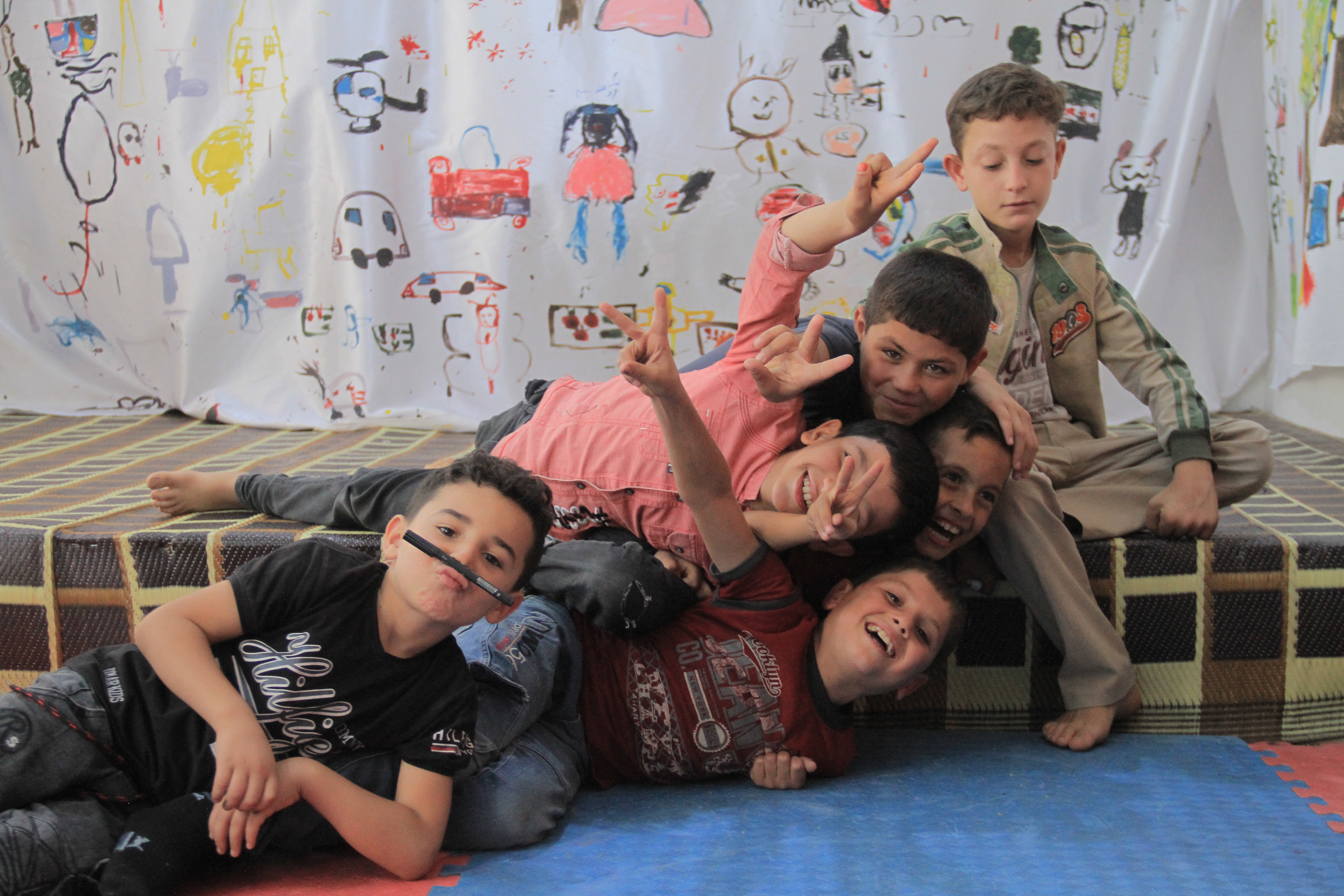
In this fragile environment, local organizations like Swaadna Al Souriya work with those who have suffered most from the war: women and children. Sara Almir, managing director of Swaadna, talks about how her work with traumatized women and children has changed since the upheaval — and what it takes for the end of the war to become real peace.
A piece by Eva Gutensohn